
Why Your Systems Do Not Talk, and the Integration Strategy That Fixes It
May 12, 2026 6 min read
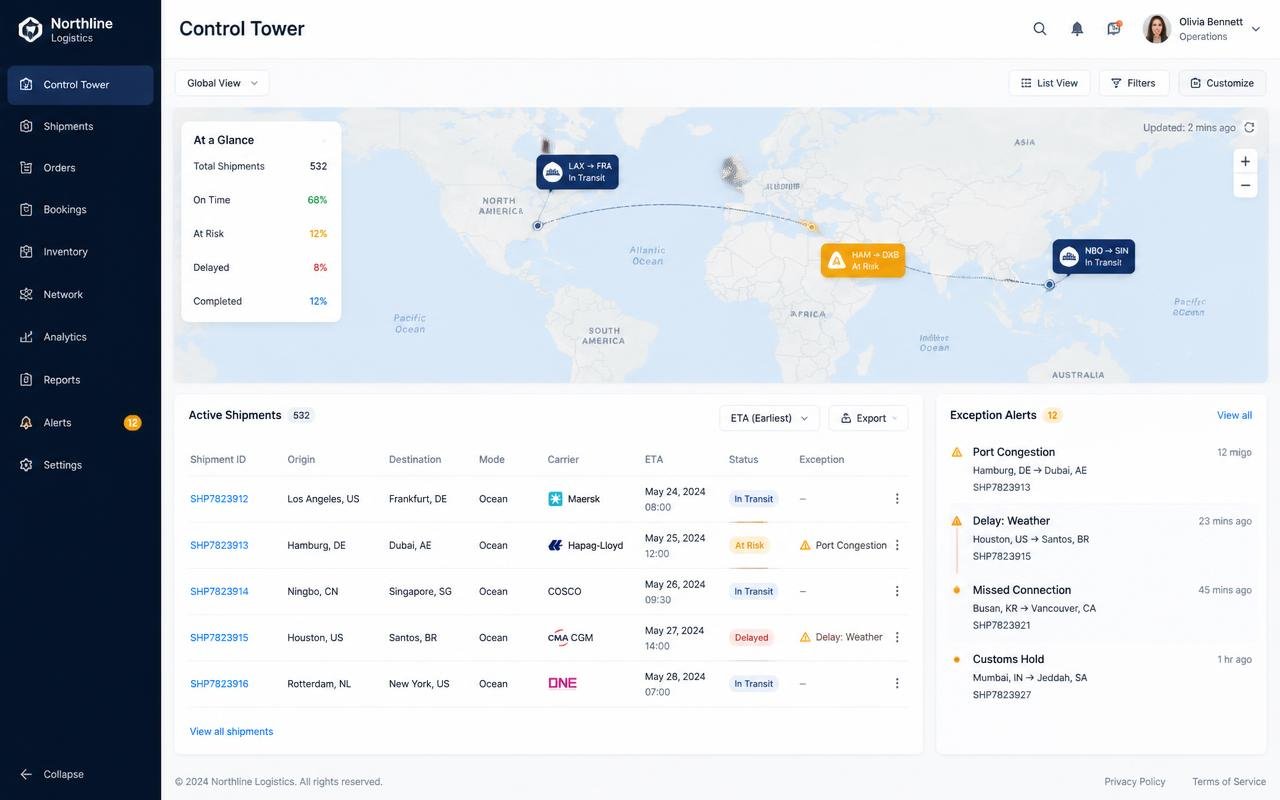
Every growing company reaches the same point: ten tools, forty spreadsheets bridging them, and one person who understands the exports. Integration is not plumbing, it decides how fast the business can change.
Decide the system of record for every entity
Customer, product, price, order, invoice, stock. For each one, name the single system that owns it and the direction data flows. Most integration chaos traces back to two systems both believing they own the customer record.
Prefer events over nightly batches
Event-driven syncs, a webhook when an order is placed, a message when stock moves, keep systems close to real time and make failures visible immediately. Nightly batch jobs hide errors for up to a day and make reconciliation a permanent chore.
Build for failure from day one
External APIs go down, rate-limit, and change shape without warning. Every integration needs idempotent writes, retries with backoff, a dead-letter queue, and an alert that reaches a human who can act.
- Idempotency keys so retries never duplicate records
- Structured logs of every payload for reconciliation
- Monitoring dashboards with per-connector health
- Documented mapping between fields in each system
Avoid the spider web
Ten systems wired point-to-point can require dozens of connections. A thin middleware layer or event bus turns that into a hub, so swapping one tool does not mean rewriting nine integrations.
The takeaway
Name one owner per data entity, sync by event, and design for retries and visibility. Integration quality determines how cheaply you can change tools later.
Frequently asked questions
- Should we use an iPaaS or build integrations ourselves?
- Low-code platforms are excellent for standard connectors and low volume. Custom integration services win where transformation logic is complex, volumes are high, or reliability guarantees matter commercially.
- How do we handle a vendor with no API?
- Options in order of preference: a supported export/import schedule, a database replica, then RPA against the UI as a last resort with strong monitoring.